Giving Tuesday is today, Dec. 3, and it reminds me that South Milwaukeeans always step up to help those in need — especially around Christmas.
Don’t know where to start? Here are opportunities to give back locally.
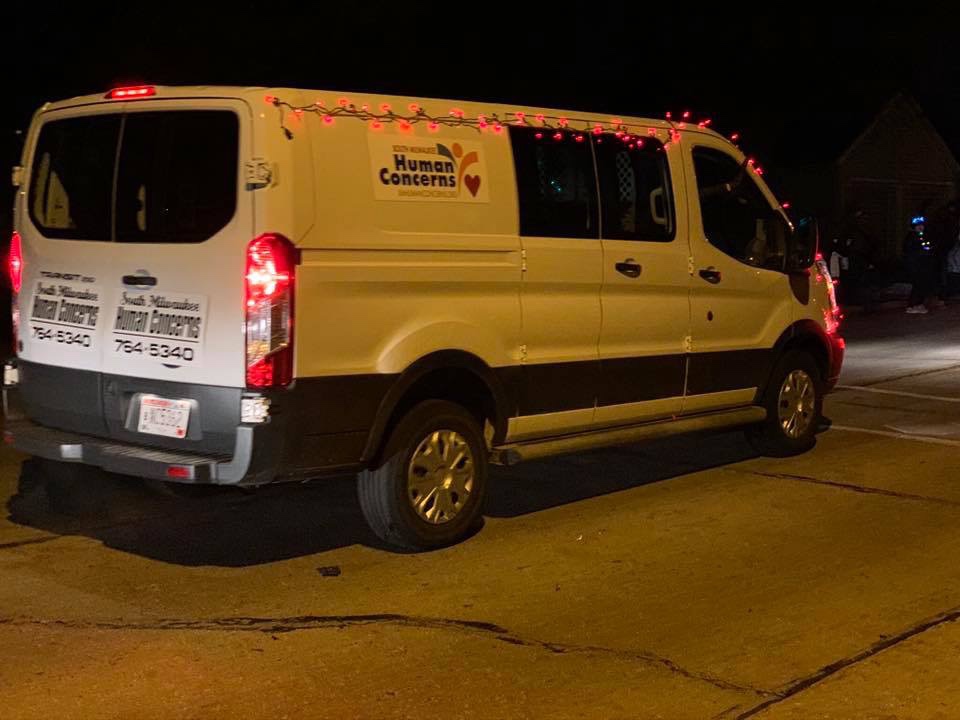
- Of course, I always turn to South Milwaukee Human Concerns, and they are serving more people than ever. I’m told they can especially use personal hygiene products now, but please consider giving money, too. I know they can use it not only during the holiday season, but all year long. And why not give your time?
- Also, take part in the South Shore Chamber of Commerce and DB Tax & Wealth Share the Gloves event, a very cool partnership that helps local businesses and residents at the same time. Details here.
- My family is collecting toys for the homeless, too.
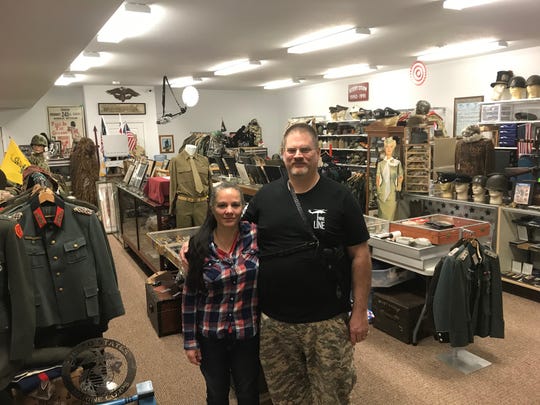
- Get behind the effort to start the South Milwaukee Industrial Museum. Details — and links to give — here.
- “We serve.” That’s our motto as South Milwaukee Lions. They can use your support throughout the year, financial and in man and woman power, to in turn give back to local organizations in need. The impact they have is real.
- The Rotary Club of Mitchell Field — serving five cities, including South Milwaukee, and Bay View — is also doing some great things, from serving Thanksgiving dinners to needy families to providing college scholarships to high school seniors, and much, much more (including leading our downtown food truck events).
- Want to help the South Milwaukee Police Department? Support DARE. From Chief Jessup: “DARE is the largest, most recognized anti-drug and violence program in the world and is taught by specially trained police officers. Our officers go into the South Milwaukee elementary school classrooms to teach a series of one hour lessons designed to help young students cope with some serious risks. The topics include: learning the harmful effects of drugs, tobacco and alcohol, strategies for resisting peer pressure, and the damaging impact of bullying. Any donations to the program go toward classroom supplies and graduation certificates. If interested in donating, please contact Officer Jim McLean at mclean@smwi.org.”
- You can also Stop the Bleed this holiday season. From Fire Chief Joseph Knitter: “The South Milwaukee Fire Department is accepting donations to support their Stop the Bleed Program, an initiative that will place bleeding control kits alongside the Automatic External Defibrillators (AEDs) in all municipal buildings throughout the city. Donations can be made directly to the SMFD in person at the firehouse or by mail to South Milwaukee Fire Department, 929 Marshall Court, South Milwaukee, WI 53172.”
- Join the new Friends of the South Milwaukee Library!
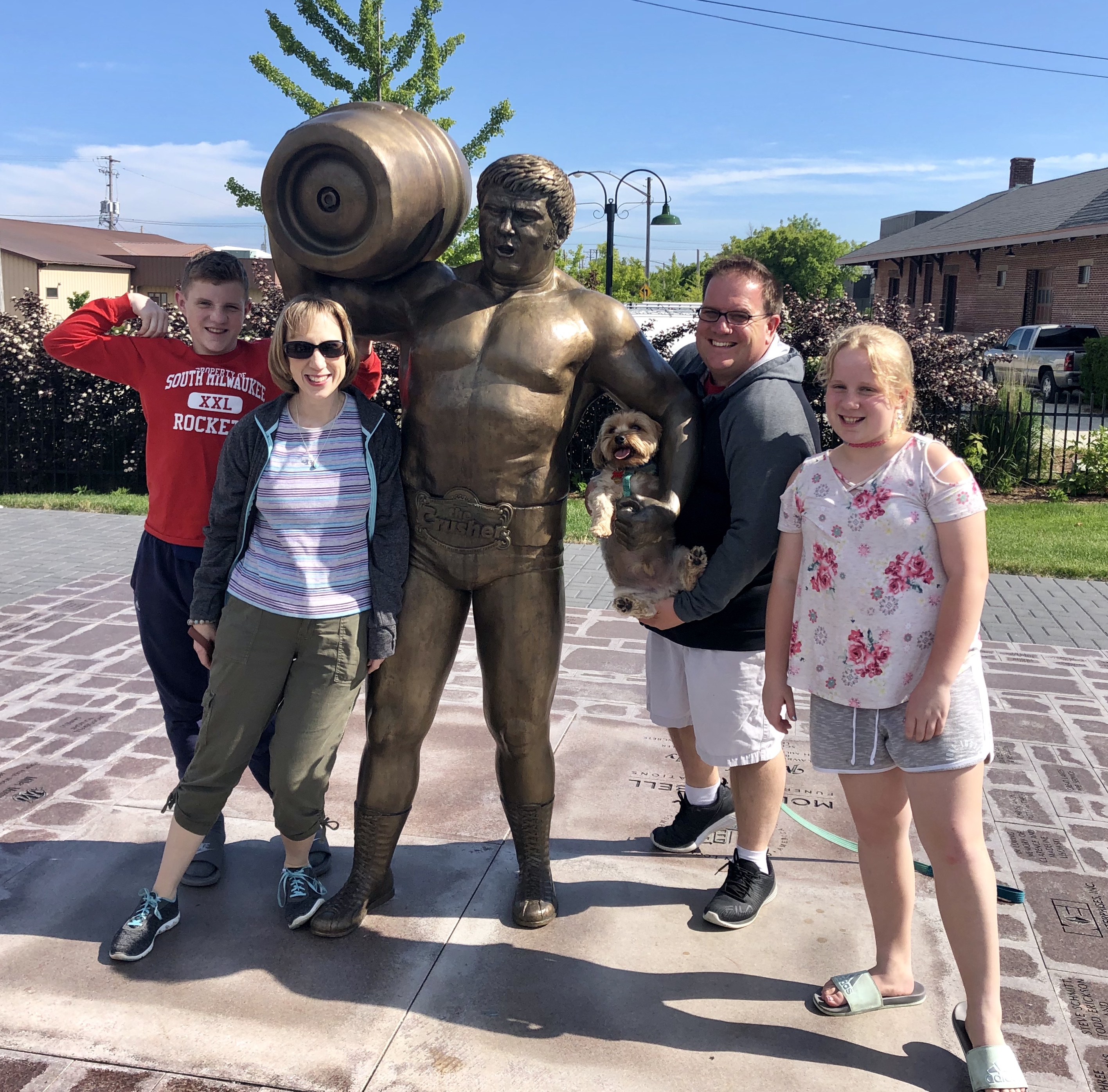
- The work of Da Crusher Foundation is not over. Support it as Crusherfest II takes shape, and they look to pay for ongoing maintenance to the statue, and site upgrades.
- South Milwaukee Performing Arts Center. Support the terrific performing arts in South Milwaukee! (And check out their holiday show, Navidad Mexicana Featuring Mariachi Reyna de Los Angeles on Friday, Dec. 13, as well as George Winston on Dec. 20.)
- Help the South Milwaukee Historical Society preserve our proud past, for our promising future.
- Want to support classroom and other projects in our terrific local schools? Start with South Milwaukee Legacy.
- Or, get behind local athletes by donating to the local sports booster clubs, or give the gift of music by donating to help the South Milwaukee Music Parents, among other organizations.
- Or maybe help one of the groups supporting our terrific parks and public spaces: Friends of the Mill Pond and Oak Creek Watercourse, Friends of Grant Park or Restore the Lagoon.
- And how about the Root-Pike Watershed Initiative Network? They are the nonprofit leading the public information efforts for the ongoing Oak Creek watershed restoration study, and will play a major role in bringing that plan to life by securing funding for and leading various watershed restoration projects.
Did I miss any? I’m sure I did. Send your favorite local charities along!